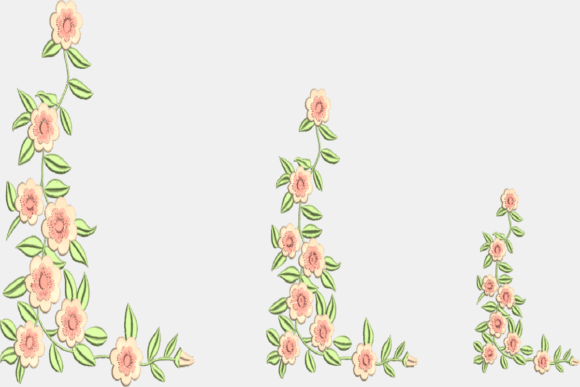
The Spring Corners: A Thoughtful Border for Meaningful Gifts
First Impressions: Romantic, Refined, and Quietly Joyful
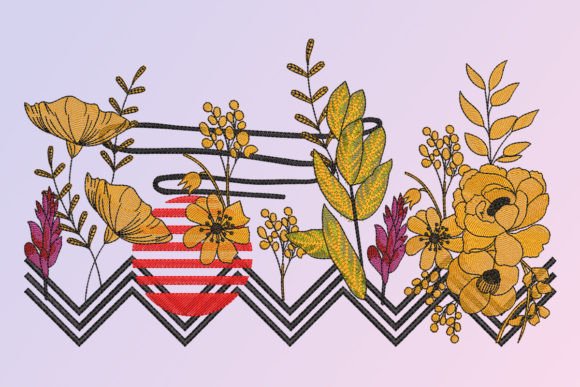
Unzipping the embroidery file for The Spring Corners, I felt that familiar lift—the kind that comes when a design truly understands its purpose. This isn’t just another floral border; it’s a whisper of garden charm, anchored by soft, full roses and delicate trailing stems. The mood is romantic but never fussy, elegant but approachable—like heirloom lace reimagined for today’s handmade maker. It feels inherently *seasonal*, yes, but not so tied to spring that it reads as dated in autumn or winter. There’s warmth in its balance: enough detail to feel special, but generous negative space to breathe on fabric. For customers seeking emotional resonance—a new parent, a couple planning vows, someone honoring a milestone—it lands with quiet sincerity.
Where The Spring Corners Shines in Personalized Gifting
This border thrives where meaning meets material. As a machine embroidery design, The Spring Corners transforms everyday items into keepsakes. On a baby blanket? It frames tenderness—stitched near the corner where tiny fingers might grasp, echoing growth and gentle beginnings. On a kitchen towel or embroidered towel? It elevates utility into artistry, making a small shop product feel like a curated gift rather than a stock item. Pillow covers gain instant character; aprons become heirlooms-in-the-making; custom tote bags carry intention, not just groceries.
For wedding gift designers, The Spring Corners offers subtle sophistication—no monograms needed. Stitch it onto linen napkins or a guest book cover, and it whispers “celebration” without shouting. Nursery decor gains cohesion when repeated across matching crib sheets and wall hangings. Etsy sellers will appreciate how cleanly it photographs: the rose motif catches light beautifully, supporting strong product imagery that builds buyer engagement before a single word is read. And because it’s designed for corners, it scales gracefully—from a petite 3-inch placement on a handkerchief to a bold 6-inch statement on a duvet cover.
Smart Placement: Knowing When—and Where—to Stitch
Like any thoughtful embroidery file, The Spring Corners rewards intentionality. Its delicate petals and fine stems demand attention to context. Avoid placing it directly over high-texture fabrics (think heavy terry cloth or bouclé) unless you’ve tested stabilizer support thoroughly—those details can blur. Thick towels benefit from cutaway stabilizer and slightly reduced stitch density to prevent puckering. Stretchy baby clothes? Not ideal—corners pull, and tension shifts. Instead, choose stable knits or woven cottons for onesies or swaddles.
Curved surfaces—like rounded pillow edges or tapered tote handles—require careful hooping and possibly slight digitizing tweaks (if your software allows). Dark fabric demands higher-contrast thread colors; test a printable mockup first to preview how the roses hold their shape against navy or charcoal. And remember: frequent washing weakens fine details over time. For high-use items like kitchen towels or baby blankets, consider reinforcing with a lightweight tear-away underlay or opting for premium polyester threads known for durability.
Why Customers Trust What They Can *Feel*
In a world of mass production, handmade quality is currency. The Spring Corners delivers that perception instantly—not through complexity, but through considered composition. The way the rose curves into the corner suggests care, not automation. That emotional connection deepens giftability: a customer buying a personalized gift isn’t just purchasing fabric—they’re investing in memory, love, or hope. When stitched well, The Spring Corners signals craftsmanship, which builds trust in your small shop product or Etsy listing. It tells buyers, “This was chosen, not generated.”
Practical Notes Every Embroidery Maker Should Keep Handy
- Always test on scrap fabric—especially when switching between cotton, linen, or blends. Fabric texture changes everything.
- Check thread color contrast before stitching large batches. Light pinks fade on ivory; deep burgundies pop on cream but disappear on black.
- Confirm hoop size compatibility. Borders like The Spring Corners often work best in 4x4 or 5x7 hoops—but verify before digitizing adjustments.
- Review stitch density. Too dense = stiff corners; too sparse = fragile details. Adjust if needed for your fabric weight.
- Use proper stabilizer. Lightweight cutaway for wovens, tear-away for stable knits, fusible for sheer layers.
- Compare light and dark fabric mockups. What reads as delicate on white may vanish on slate gray.
- Inspect small details post-stitch. Petals, stem tips, and leaf veins should be crisp—not frayed or flattened.
- Confirm commercial licensing before selling finished products. As a digital embroidery file, usage rights vary—always check before launching your small business collection.
A Border That Belongs in Your Core Collection
The Spring Corners isn’t flashy—but it’s faithful. Faithful to the craft, to the customer’s story, and to the quiet power of a well-placed rose. Whether you're stitching baby embroidery for a first-time aunt, curating wedding gifts for a boutique, or building an Etsy seller portfolio rooted in authenticity, this border earns its place. It works within the Borders category without feeling generic, and as an Embroidery file, it invites collaboration—not just execution. In handmade product creation, that balance is rare. Keep it close. Test it often. Let it help you turn ordinary moments into stitched memories.